
Reducing food waste at home is a practical way to save money, protect the environment, and make better use of the food you buy. Many households throw away a significant amount of edible food each week, often without realizing it. With a few mindful habits and easy changes in your kitchen routine, you can make a big difference. Here are some helpful strategies to get started.
Understand Why Food Waste Happens
Before tackling food waste, it’s important to understand common reasons food ends up in the trash:
– Buying more than needed
– Improper storage leading to spoilage
– Cooking or serving too much food
– Forgetting about leftovers in the fridge
– Not using food before it passes its “best by” date
Knowing these causes can help you address them directly.
Plan Your Meals and Shopping
Create a Weekly Meal Plan
Planning meals ahead reduces impulse buys and ensures you only purchase what you’ll use. Try this simple process:
– Look at your calendar to decide what meals you’ll make.
– Check your pantry and refrigerator for ingredients you already have.
– Make a shopping list based on the meals planned and what’s on hand.
Shop with a List
Stick to your shopping list to avoid buying extra items. This reduces the chance of food going unused.
Buy Smart Quantities
Consider buying smaller portions or packages if you live alone or don’t cook much. Many stores offer loose produce or smaller packs to help with this.
Store Food Properly
Proper storage extends the life of your food and slows down spoilage.
Use Clear Containers
Store leftovers or pre-prepared foods in clear containers to easily see them and remember to use them.
Keep Fruits and Vegetables Fresh
– Store fruits and vegetables separately to prevent premature ripening.
– Use perforated bags or containers to allow airflow.
– Keep herbs fresh by wrapping them in a damp paper towel.
Know Your Fridge Zones
Different parts of the fridge have different temperatures. Store items like dairy and meat in colder areas, and fruits and vegetables in crisper drawers.
Use Leftovers Creatively
Leftovers don’t have to be boring or wasted.
Repurpose Leftovers
Turn yesterday’s dinner into today’s lunch or transform vegetables and meat into soups, stir-fries, or casseroles.
Freeze Excess Food
If you cook in bulk, freeze extra servings in portion-sized containers to eat later.
Track Leftovers
Keep a list or set reminders to use leftovers before they spoil.
Mindful Portioning
Serving appropriate portions helps reduce uneaten food on plates.
– Use smaller plates to control serving sizes.
– Encourage “second helpings” instead of large first portions.
– Allow family members to serve themselves so they can take only what they’ll eat.
Compost Food Scraps
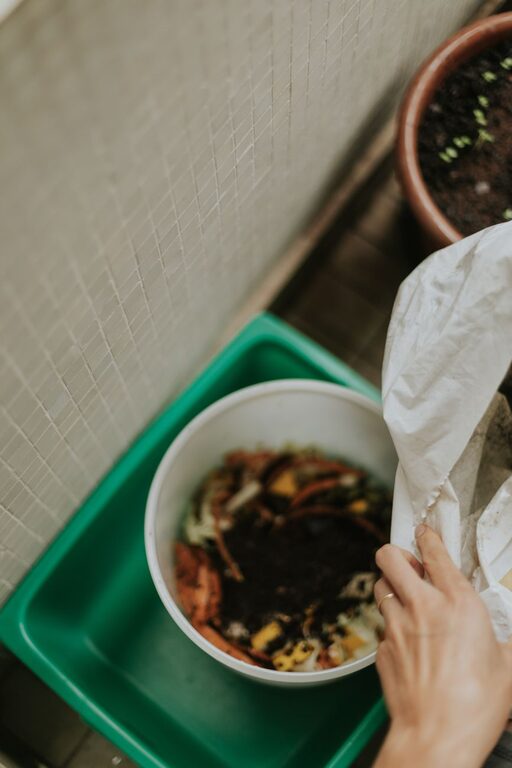
Not all food waste is avoidable. Composting vegetable peels, coffee grounds, and eggshells can keep organic waste out of landfills and create nutrient-rich soil for gardens.
– Start a compost bin at home or use community composting programs.
– Avoid composting meat, dairy, or oily foods that attract pests.
Regularly Check Your Pantry and Fridge
Making it a habit to review what you have prevents food from expiring unnoticed.
– Arrange items by expiration date with older products in front.
– Use a first-in, first-out system.
– Consider a weekly “food audit” to plan meals around items near their expiry.
Educate Everyone in the Household
Food waste reduction works best when everyone is involved.
– Share tips with family members.
– Encourage children to help with meal planning and storing food.
– Discuss the benefits of minimizing waste together.
Conclusion
Reducing food waste at home is easier than it might seem. With a little planning, proper storage, mindful portioning, and creativity with leftovers, you can cut down significantly on the food you toss. These small changes save money and contribute to a healthier environment by reducing unnecessary waste. Start implementing these tips today and enjoy a more sustainable kitchen routine.