
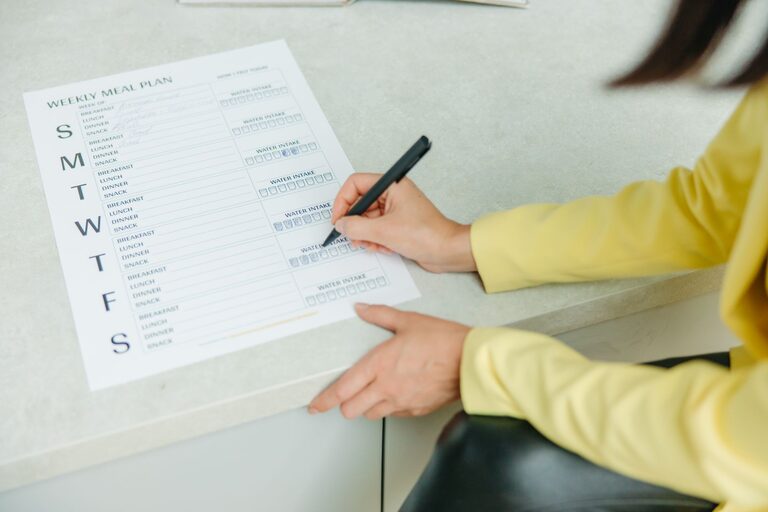
Creating a weekly meal plan might seem daunting at first, but with a few straightforward steps, it can become a helpful routine that simplifies your week. A meal plan helps you save time, reduce stress about what to cook, and make healthier food choices. Whether you are cooking for yourself or your family, this guide will walk you through how to create a simple, effective weekly meal plan.
Why Create a Weekly Meal Plan?
Before diving into the how, it’s good to understand why meal planning can be beneficial:
– Saves time: Knowing what to cook ahead avoids last-minute trips to the grocery store or scrambling to think of a meal.
– Reduces food waste: Shopping with a plan helps you buy just what you need.
– Improves nutrition: Planning meals allows you to balance your diet with a variety of foods.
– Cuts costs: When you shop for specific ingredients, you avoid impulse purchases.
– Less stress: You won’t have to decide each day what to eat.
Step 1: Assess Your Schedule and Needs
Start by looking at your week ahead. Consider:
– How many meals do you need to plan for? (Breakfast, lunch, dinner, snacks?)
– Do you have busy days when a quick or pre-prepared meal is better?
– Are there any social events or eating out plans?
– Do you have dietary preferences or restrictions?
Jot down notes or mark your calendar with any special considerations.
Step 2: Gather Meal Inspiration
Collect ideas for meals you enjoy or want to try. You can:
– Search for simple recipes online or in cookbooks.
– Think about your favorite dishes that are quick to prepare.
– Include some “leftover” meals to use extra food.
– Consider batch cooking options that reheat well.
It helps to have a list of go-to meals to choose from when you plan.
Step 3: Plan Your Meals
Now, create a weekly grid or use a printable meal planner to assign meals to each day. Here’s how to keep it simple:
Focus on Balance and Variety
– Include a protein (meat, fish, beans, tofu).
– Add vegetables or fruits.
– Include grains like rice, pasta, or bread.
– Aim for color and texture variety by mixing different veggies and side dishes.
Use Theme Nights
To make planning easier, assign themes to some days. Examples:
– Meatless Monday
– Taco Tuesday
– Pasta Wednesday
– Soup or Salad Thursday
– Fish Friday
This provides structure and reduces decision fatigue.
Plan for Leftovers and Batch Cooking
Cooking larger portions for some meals can provide leftovers for lunch the next day or another dinner. Plan at least one batch-cooked meal per week that freezes well or can be reheated.
Step 4: Make Your Grocery List
Once your meals are planned, write down all the ingredients you’ll need. Group items by category to make shopping faster:
– Produce
– Dairy
– Meat and seafood
– Dry goods (pasta, rice, canned items)
– Spices and condiments
Check your pantry beforehand to avoid buying duplicates.
Step 5: Prep Ahead Where Possible
Meal prepping saves even more time during the week. Ideas include:
– Washing and chopping vegetables.
– Cooking grains or proteins in advance.
– Portioning snacks into containers.
– Making sauces or dressings.
You don’t have to prep everything, but even a little prep helps.
Step 6: Stay Flexible and Adjust as Needed
Life can be unpredictable, so don’t worry if the plan changes. Keep the plan visible (on your fridge or phone) and allow swaps or easy adjustments. Over time, you’ll get better at estimating portions and preferences.
Tips for Success
– Keep recipes simple with a small number of ingredients.
– Use kitchen tools like slow cookers or Instant Pots for easy meals.
– Involve family members in planning and prepping to make it fun.
– Keep staple ingredients on hand for quick meals (eggs, canned beans, frozen veggies).
– Review your plan at the end of the week to see what worked and what didn’t.
Sample Simple Weekly Meal Plan
| Day | Dinner Idea | Notes |
|———–|—————————|—————————-|
| Monday | Veggie stir-fry with rice | Use leftover rice |
| Tuesday | Tacos with ground turkey | Prepare toppings ahead |
| Wednesday | Spaghetti with marinara | Serve with side salad |
| Thursday | Grilled chicken with quinoa and broccoli | Batch cook chicken |
| Friday | Baked salmon with roasted veggies | Simple and healthy |
| Saturday | Homemade pizza | Use store-bought dough for ease |
| Sunday | Soup and bread | Use leftover roast or beans|
Conclusion
Creating a simple weekly meal plan doesn’t need to be complicated. By assessing your needs, gathering ideas, planning thoughtfully, and prepping in advance, you can make mealtime easier and more enjoyable. Start small, stay flexible, and soon you’ll find that meal planning saves you time and brings peace of mind to your busy week. Happy cooking!